MODA Hosts Spectrum for Tomorrow International Symposium, Focusing on Forward-looking 6G Deployment and AI Applications
2026-09-10
In response to the global 6G deployment, the Ministry of Digital Affairs (MODA) held an international symposium today (10th) entitled "Spectrum for Tomorrow." Yeh Ning, Deputy Minister of MODA, said that 6G will not only change the network speed, but also serve as the key to the integration of both terrestrial and non-terrestrial networks and the realization of ubiquitous coverage. Furthermore, AI-native 6G network architecture will become the cornerstone of future AI computing power and massive data traffic.
In his speech, Deputy Minister Yeh said, "We are gathered here today to answer a core question—What kind of world do we hope the next-generation Internet will create for us?” Deputy Minister Yeh pointed out that 6G is expected to gradually become commercially available on a global scale starting in 2030. Taiwan must not wait until the technology and applications are mature before initiating the 6G deployment; it must keep up with international trends and prepare in advance. In particular, 6G will deeply integrate terrestrial mobile communications and satellite networks. MODA needs to establish a governance framework for the harmonious and effective sharing of spectrum and prevention of cross-system interference so that the people of Taiwan can enjoy ubiquitous and reliable communication services.
Regarding the interaction of 6G and AI, Deputy Minister Yeh pointed out that with the rapid popularization of generative AI and various AI applications, network traffic demand has surged, profoundly affecting the design of AI-native 6G network architecture. The telecommunications industry, with its advantages of extensive network coverage and proximity to users, is poised to create a new growth curve if it can grasp a key position in the AI value chain and pivot to new business models.
MODA explained that this symposium invited Dr. Wee Kyu-jin, Chairman of Study Group 5 of the International Telecommunication Union Radiocommunication Sector (ITU-R), as well as several international experts who visited Taiwan for the first time, including Charles Cooper, Associate Administrator of the Office of Spectrum Management, National Telecommunications and Information Administration (NTIA) in the United States; Chris Woolford, Director of International Spectrum Policy at the Office of Communications (Ofcom) in the United Kingdom; Stuart Cooke, Senior Director of Future Spectrum at the Global System for Mobile Association (GSMA); and Hans-Martin Ihle, Managing Director at the National Economic Research Associates (NERA), a spectrum expert stationed in the Asia-Pacific Region.
MODA emphasized that 6G amounts to not only a generational shift in communications technologies, but also the cornerstone for strengthening the resilience of the nation's digital infrastructure and its empowerment capabilities. It is also a key opening for all industries to exploit digital innovation opportunities. Grounded in the 6G development vision, this international symposium will delve into the spectrum demands brought about by the terrestrial and non-terrestrial network integration and innovative AI applications. It aims to gain insight into global technological evolution and policy development trends through international exchanges, thereby laying a solid foundation for Taiwan's 6G spectrum preparation and strategic deployment.
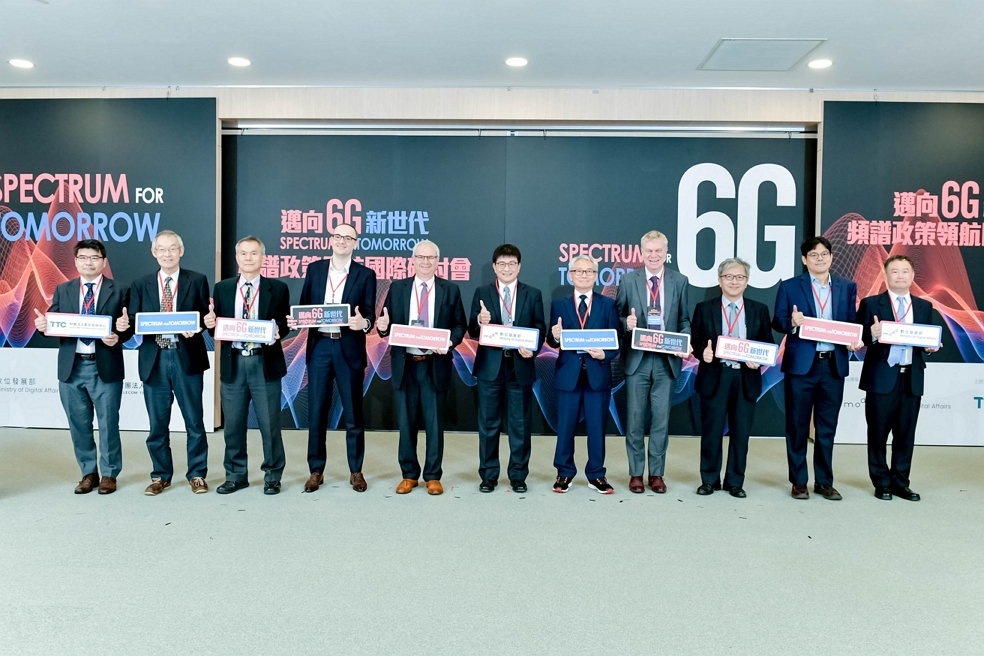
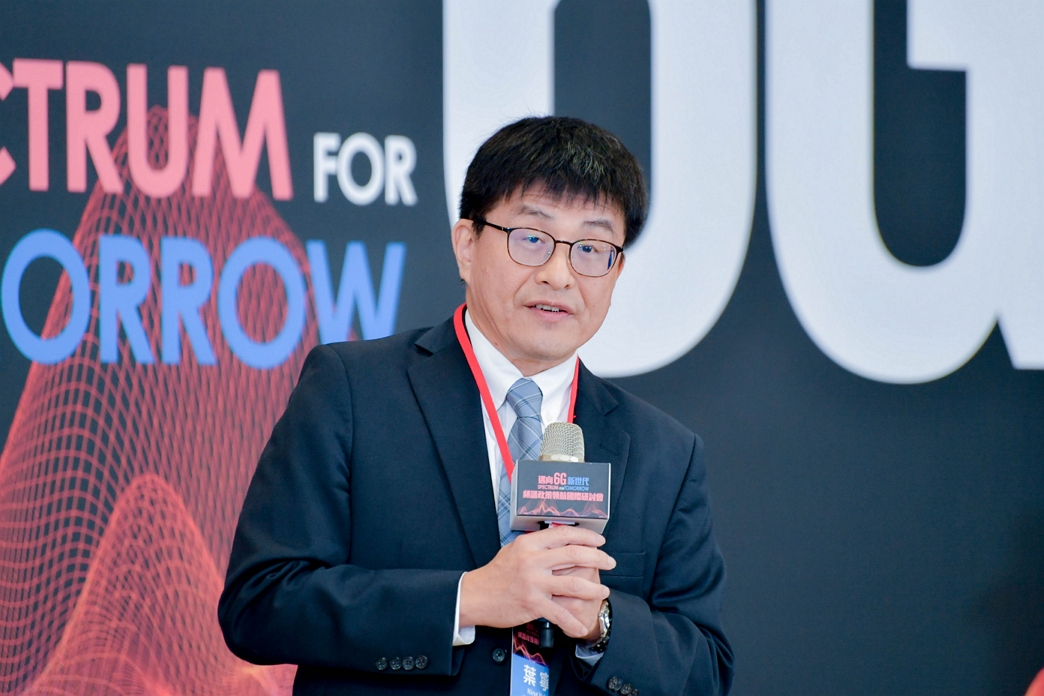
Source: Ministry of Digital Affairs